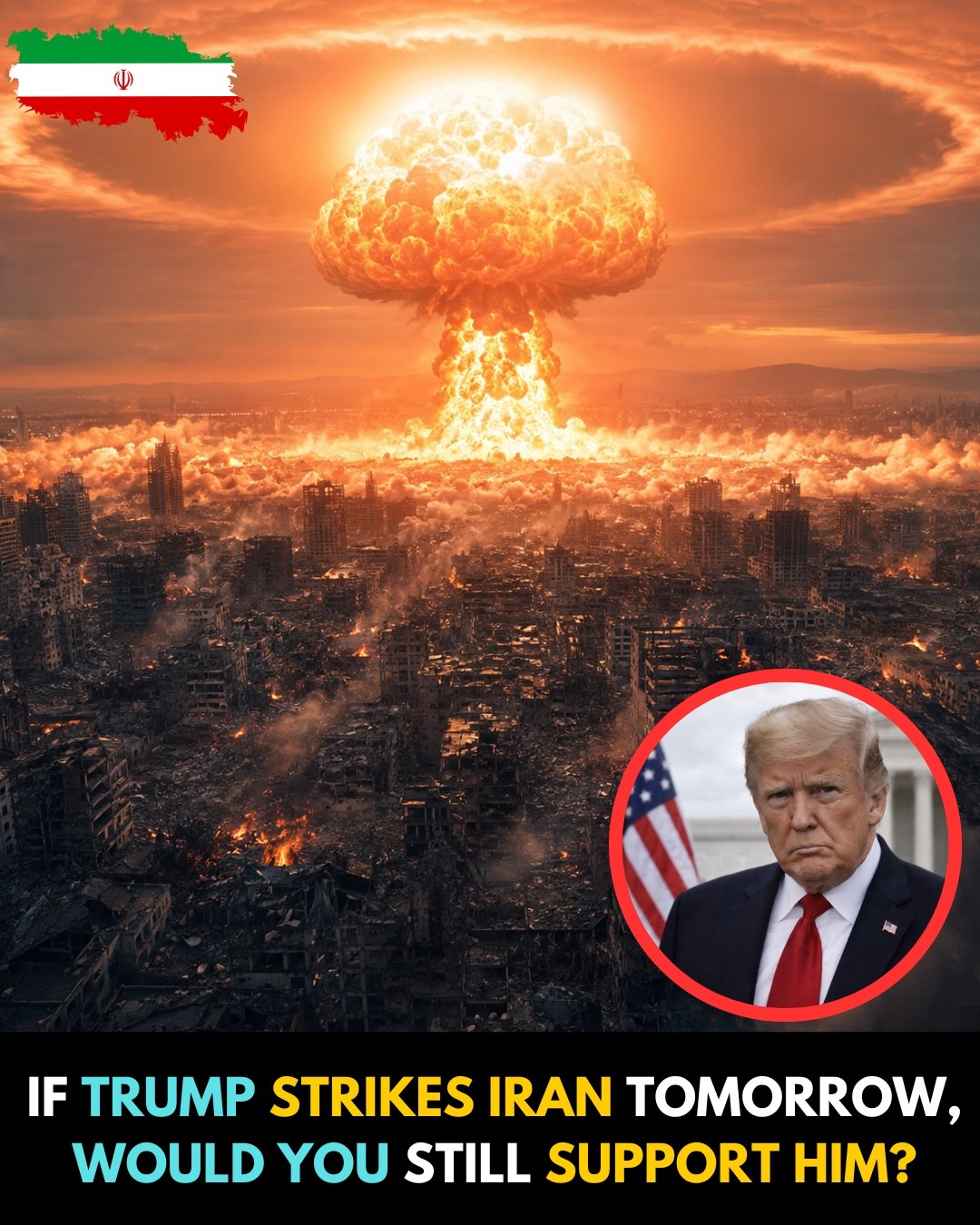
The possibility of direct U.S. military action against Iran has become one of the biggest political and foreign policy debates in America. Discussions surrounding how former President Donald Trump would respond to rising tensions with Iran continue to divide public opinion across the country.
Supporters argue that a strong response against Iran would demonstrate leadership and protect American interests, troops, and allies in the Middle East. They believe years of growing regional tensions and threats linked to Iran require decisive action rather than diplomatic hesitation.
Others, however, warn that a military strike could trigger a dangerous escalation with consequences far beyond one battlefield. Experts fear that direct conflict between the United States and Iran could destabilize the Middle East, disrupt global energy markets, and increase security risks worldwide.
The debate also highlights broader questions about America’s foreign policy strategy, military involvement overseas, and its role in maintaining international stability. Some Americans believe strong military action deters threats, while others argue diplomacy and negotiations should remain the priority.
Political analysts say any decision involving Iran would likely become a defining moment for U.S. leadership and could influence future elections, international alliances, and global security policies.
As tensions remain a global concern, public opinion continues to be divided over whether military action would strengthen America’s position or create even greater instability in the region.