
Growing Controversy Over Compensation Plan Sparks Political Backlash
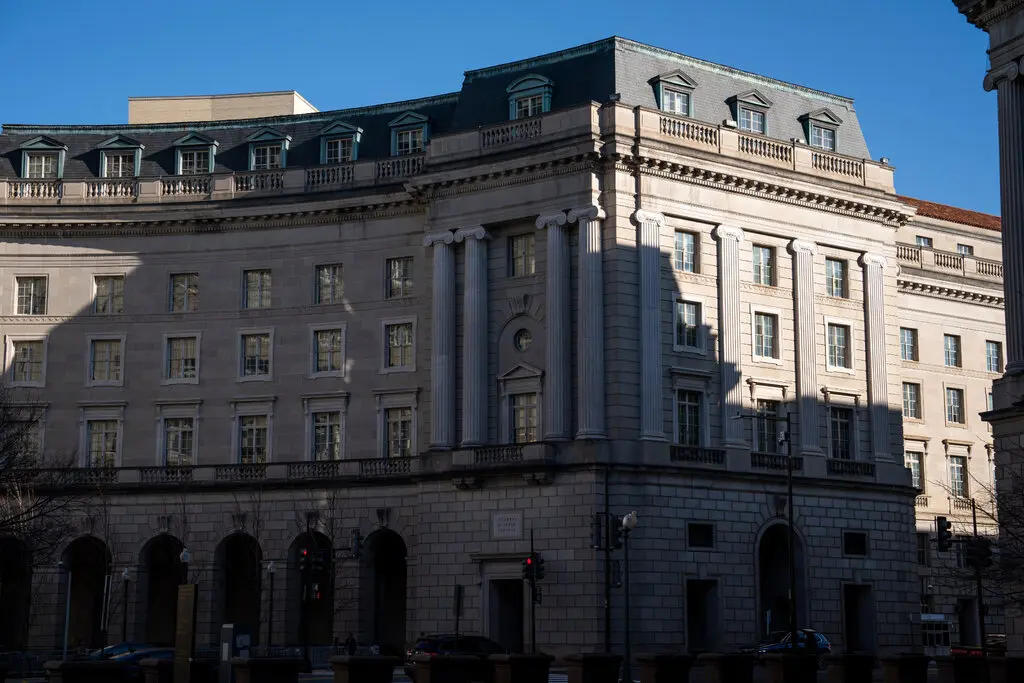
A controversial compensation plan is facing mounting criticism after opponents labeled it a “political slush fund” allegedly financed by taxpayer money. The debate has intensified across political circles, with watchdog groups, lawmakers, and citizens questioning whether public funds are being used responsibly and transparently.
Critics argue that the plan could unfairly benefit political insiders, allies, or connected organizations while placing the financial burden on ordinary taxpayers. Supporters, however, insist the compensation structure is legal, necessary, and designed to support approved public initiatives.
The controversy is quickly becoming a major national political issue, drawing widespread attention from media outlets and voters alike.
Why Critics Are Calling It a Political Slush Fund
Opponents of the compensation plan claim the funding mechanism lacks proper oversight and accountability. They argue that taxpayer money should not be used in ways that could potentially favor political associates or influential groups.
Key concerns raised by critics include:
- Lack of transparency in how funds are distributed
- Potential political favoritism
- Weak oversight mechanisms
- Risk of misuse of public resources
- Ethical concerns surrounding government spending
Several political analysts warn that public trust in government institutions could be damaged if officials fail to provide clear explanations about how the compensation program operates.
Taxpayer Concerns Continue to Grow
Many taxpayers are questioning whether the compensation plan delivers real public value or primarily benefits politically connected individuals and organizations.
Citizens and advocacy groups are demanding:
- Full disclosure of funding recipients
- Independent audits and investigations
- Stronger financial accountability measures
- Congressional oversight hearings
- Public access to spending records
Critics argue that in a time of economic uncertainty, government spending should prioritize public services, infrastructure, healthcare, and economic growth rather than controversial compensation arrangements.
Supporters Defend the Compensation Plan
Supporters of the program strongly reject allegations of corruption or political manipulation. They argue that the compensation structure follows existing laws and regulations and serves legitimate governmental or administrative purposes.
According to supporters:
- The plan was legally approved
- Funds are being distributed through official channels
- Critics are politicizing the issue
- Compensation programs are common in government operations
Officials backing the plan say accusations of it being a “slush fund” are exaggerated and unsupported by concrete evidence.
Could Investigations Follow?
The growing political pressure could trigger formal investigations or oversight reviews in the coming months. Ethics organizations and lawmakers are already calling for deeper scrutiny into how taxpayer funds are being managed.
Possible next steps may include:
- Congressional investigations
- Financial audits
- Ethics committee reviews
- Public transparency reports
- Legal challenges if wrongdoing is uncovered
Experts say any legal consequences would depend on whether investigators find evidence of misconduct, favoritism, or violations of federal spending laws.
Public Reaction and Political Impact
The controversy has sparked heated reactions online and across the political spectrum. Social media discussions continue to trend as voters debate whether the compensation plan represents government overreach or standard political operations.
Political observers believe the issue could become a major campaign topic ahead of future elections, especially as concerns about government accountability and taxpayer spending remain highly sensitive among voters.
The debate may also increase pressure on elected officials to strengthen transparency laws and financial oversight policies.
Final Thoughts
The compensation plan controversy has opened a broader national conversation about government transparency, taxpayer accountability, and political influence. While critics continue to describe the arrangement as a taxpayer-funded political slush fund, supporters insist the claims are politically motivated and legally unfounded.
As investigations, public scrutiny, and political debate continue, the issue is expected to remain in the spotlight for months ahead.